
EcoVinePanel
COMPETE 2030
October
2026
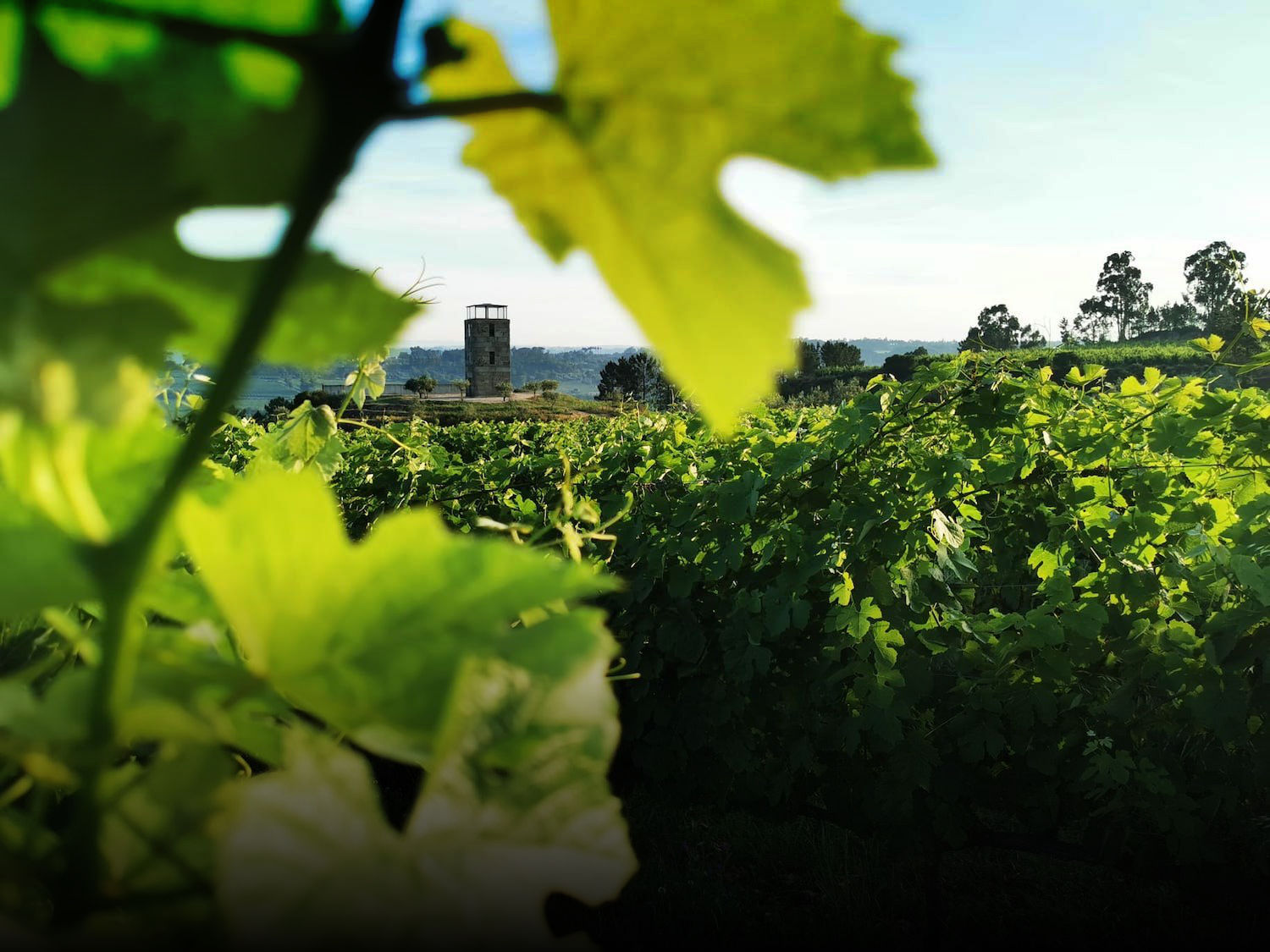
The Dão wine region keeps a valuable crop after every grape harvest. Yet this crop has nothing to do with the wine. It lies in the pulp, seeds, skins, and stalks left behind. According to COMPETE 2030 (Portugal’s EU-funded innovation programme), this forgotten crop amounted to roughly 4,650 tonnes of solid waste in 2024 alone.
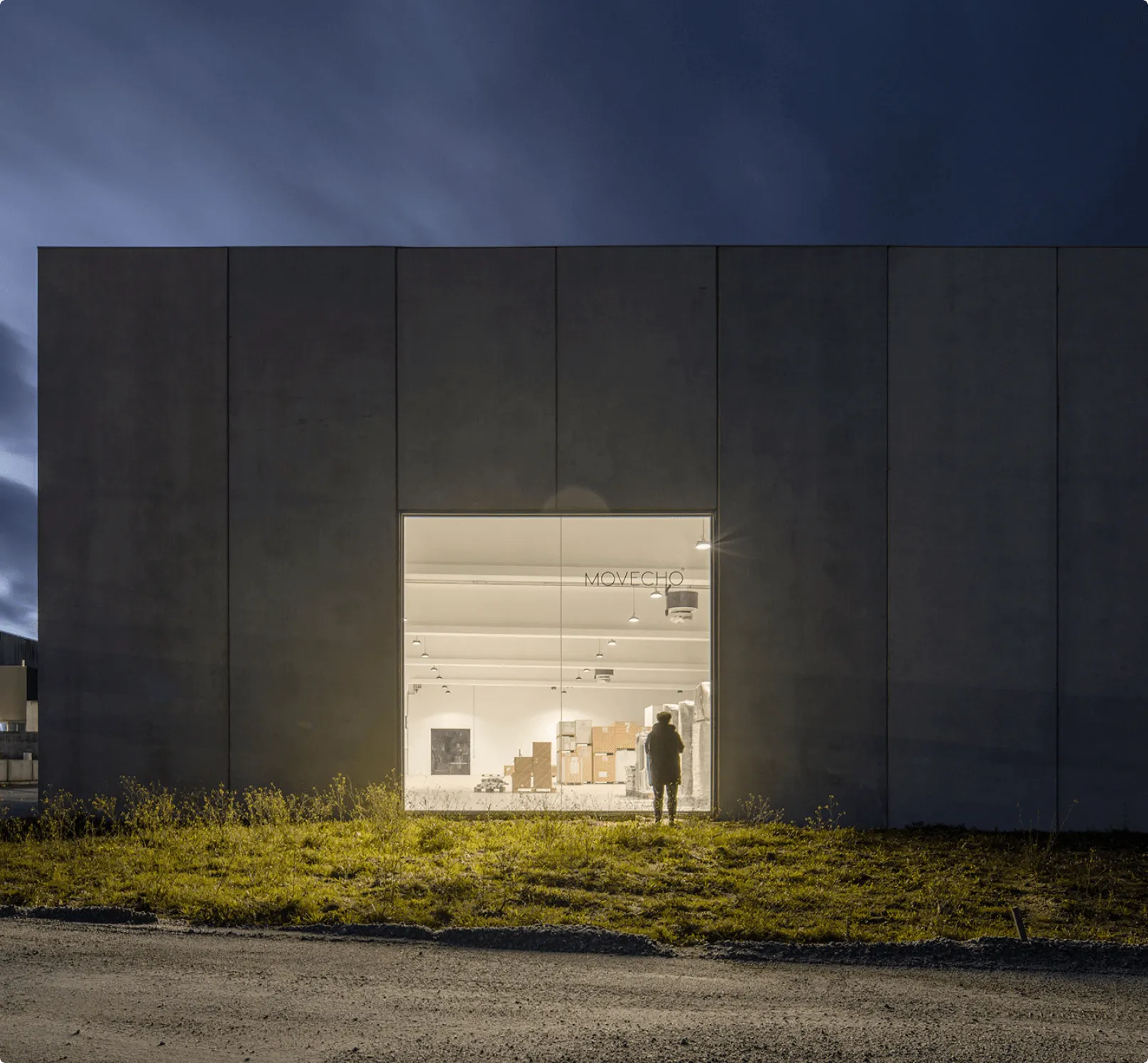
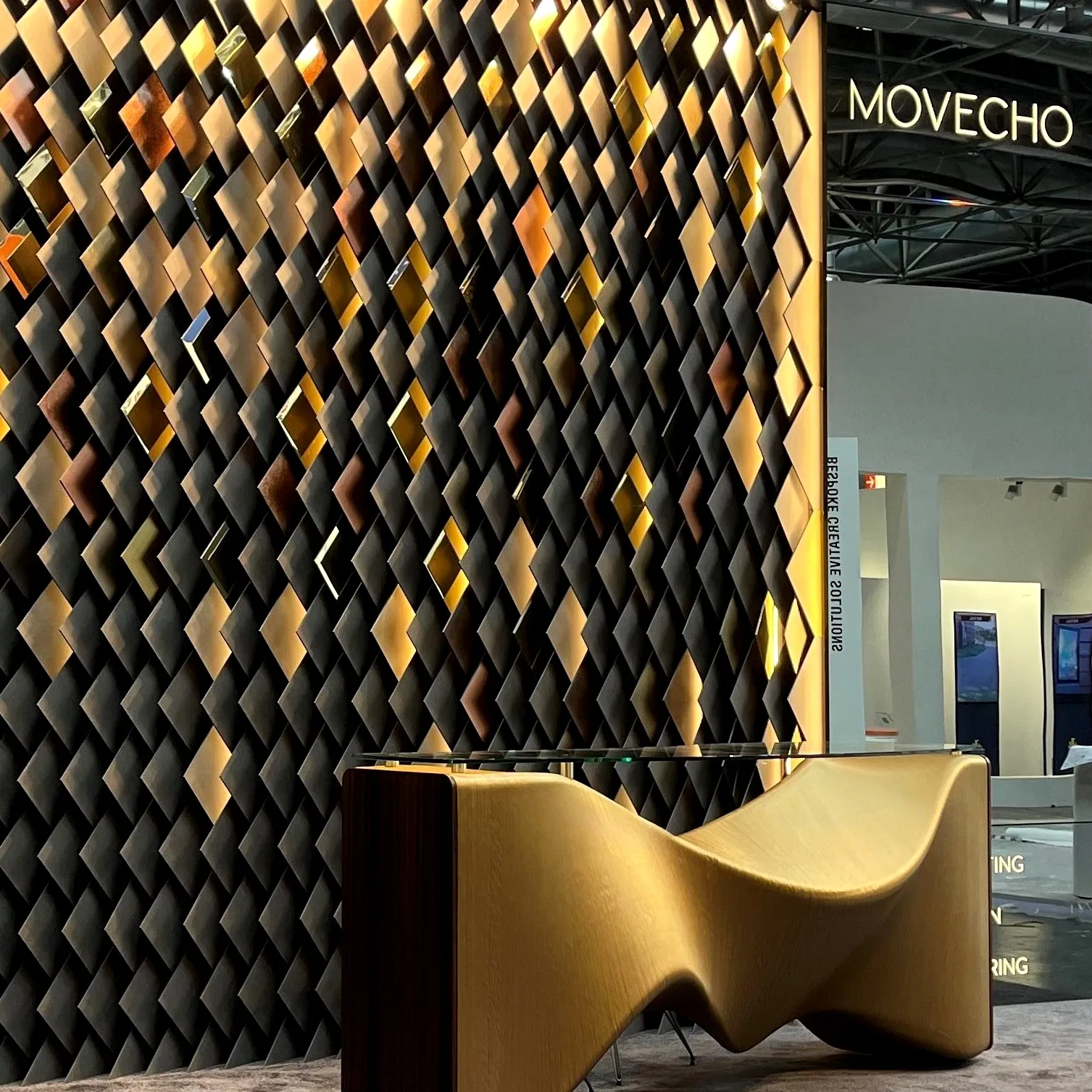
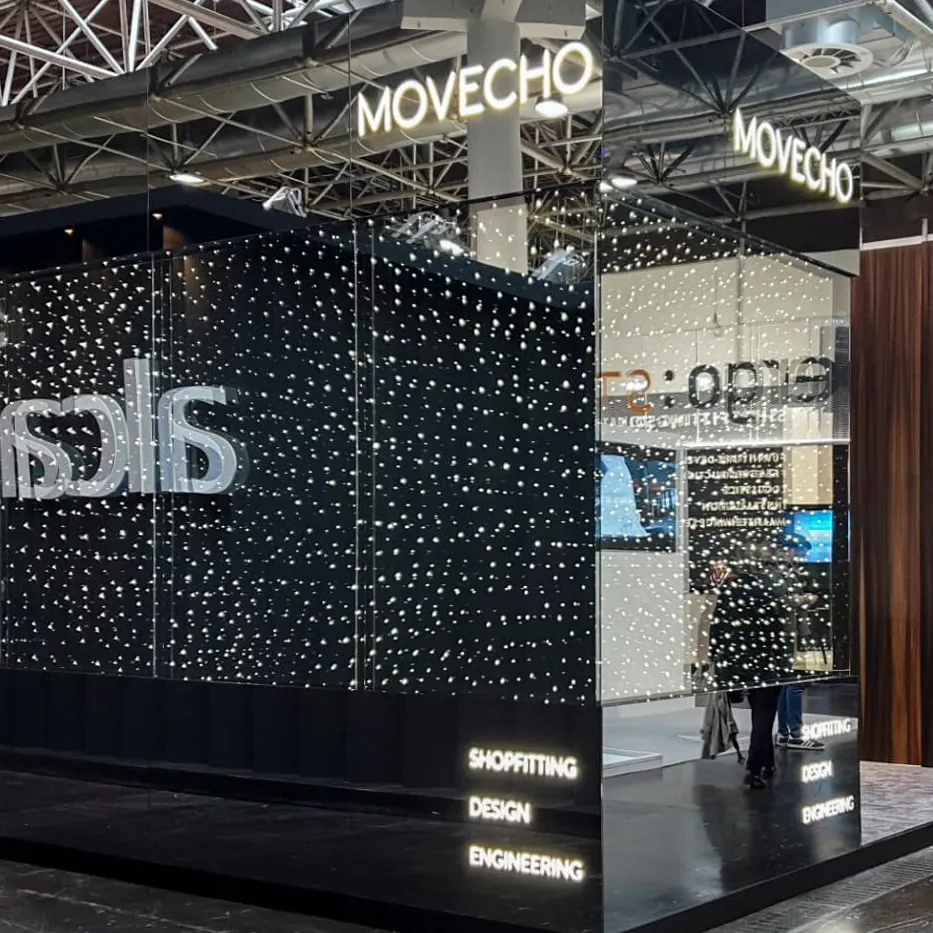
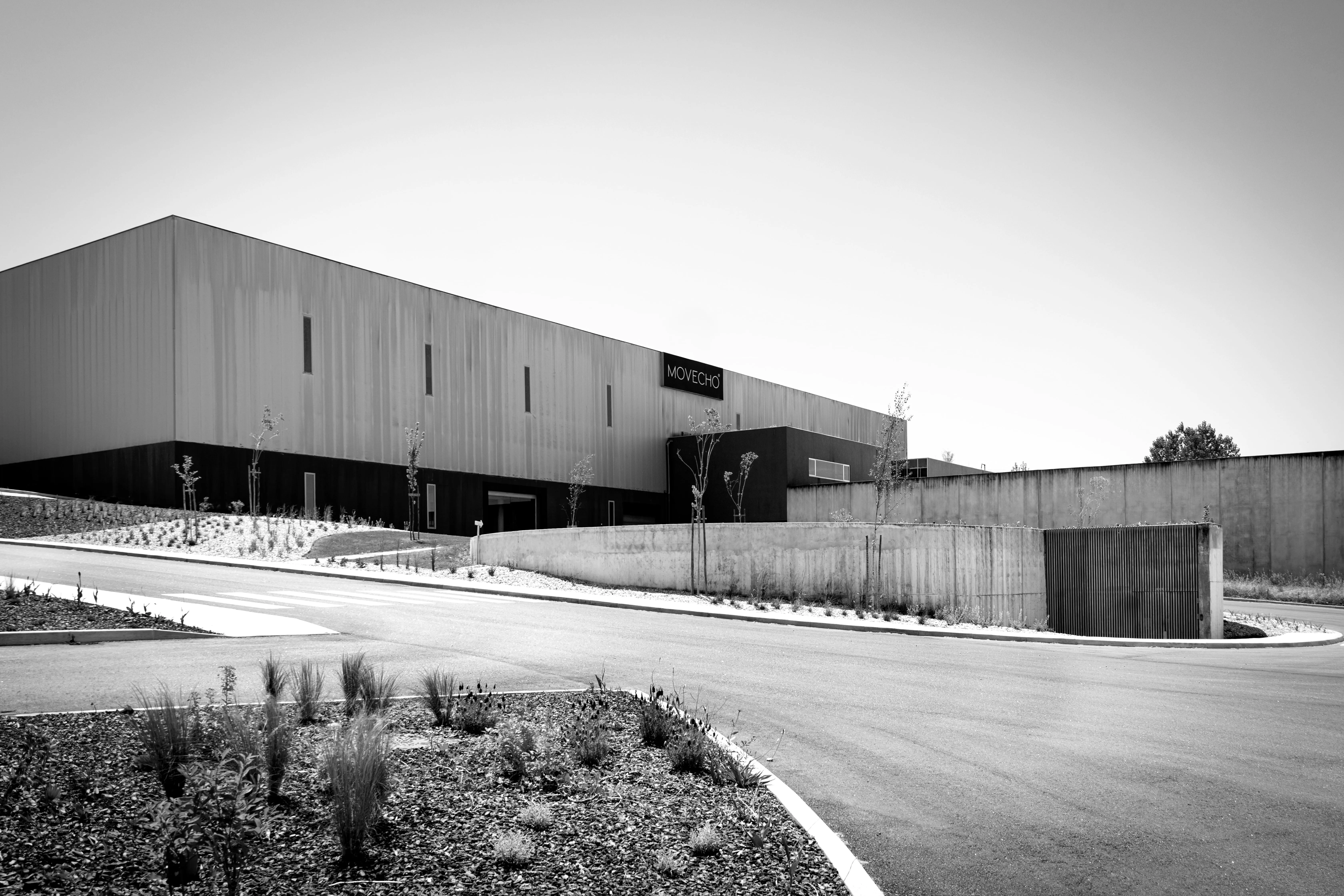
As it happens, we know this material and its wider value at first hand. For a start, our factory in Nelas sits at the very heart of the Dão. Moreover, Movecho shares an inseparable bond with Quinta da Alameda, a leading producer in a region of long winemaking tradition. Finally, we know that this waste can become something truly useful to the furniture industry and related fields.
Given our constant pursuit of innovation, we decided to lead a circular economy and industrial research project that would put these forgotten crops to use: EcoVinePanel.
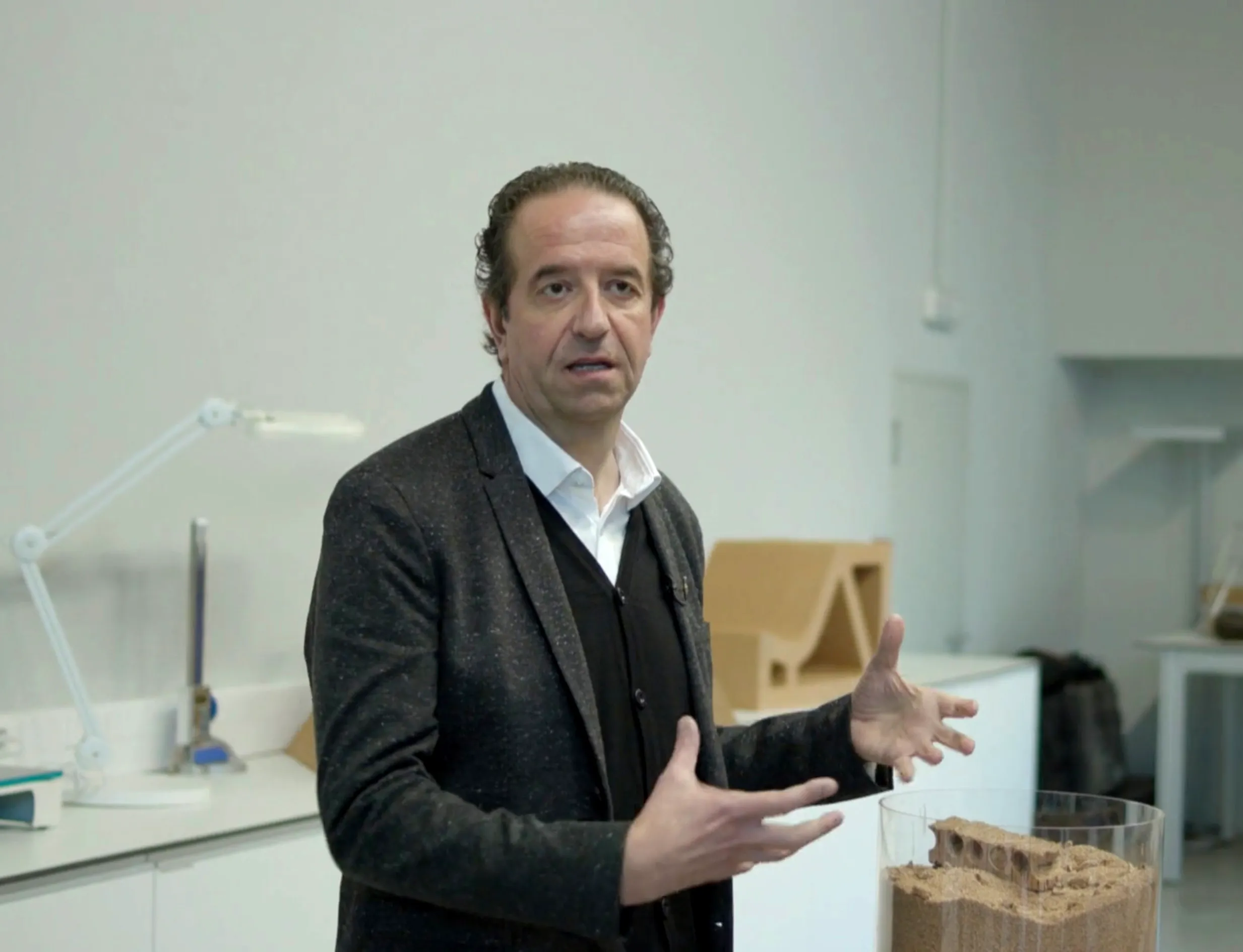
Alongside Quinta da Alameda, the project is joined by the Polytechnic University of Viseu and ARCP CoLAB (the Polymer Competence Network, a collaborative laboratory recognised by Portugal’s Foundation for Science and Technology that links academia and industry in polymers and sustainable materials).
With natural binders, the aim is to turn the by-products of the vine into composite panels made from bio-based materials.
From the vine to the first composite panels
The raw material comes from Alameda’s vineyards. Then comes a resource from within Movecho: waste from our own production. The binders will also spring from the region, since they will be natural adhesives made from local agroforestry residues.
What science has already shown us
The groundwork was laid before the project. In 2024, researchers from ARCP CoLAB, the University of Porto, and what was then the Polytechnic Institute of Viseu published a study in Frontiers in Food Science and Technology on panels made solely of grape stalks and vine wood. The adhesive came from the stalks too: having once bound the grapes to the vine, they would now bind the new panels from within. To the best of the authors’ knowledge, it was the first panel made entirely from winery by-products.
Movecho and Quinta da Alameda supplied the raw material. We also provided technical support. The first results showed the potential, but also how far we still had to go: at this stage, the panels did not yet meet every requirement of the European standard.
Where this project is heading
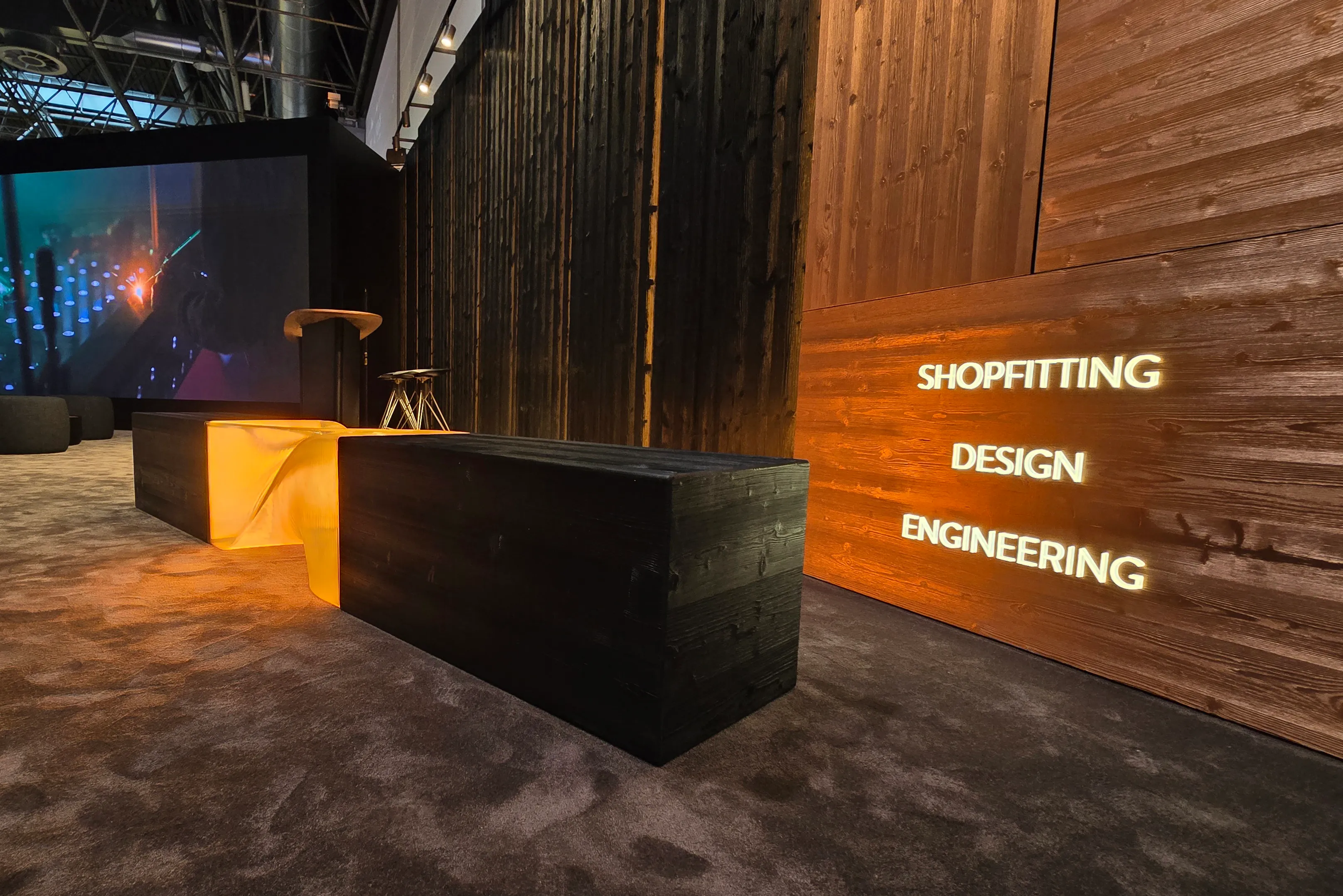
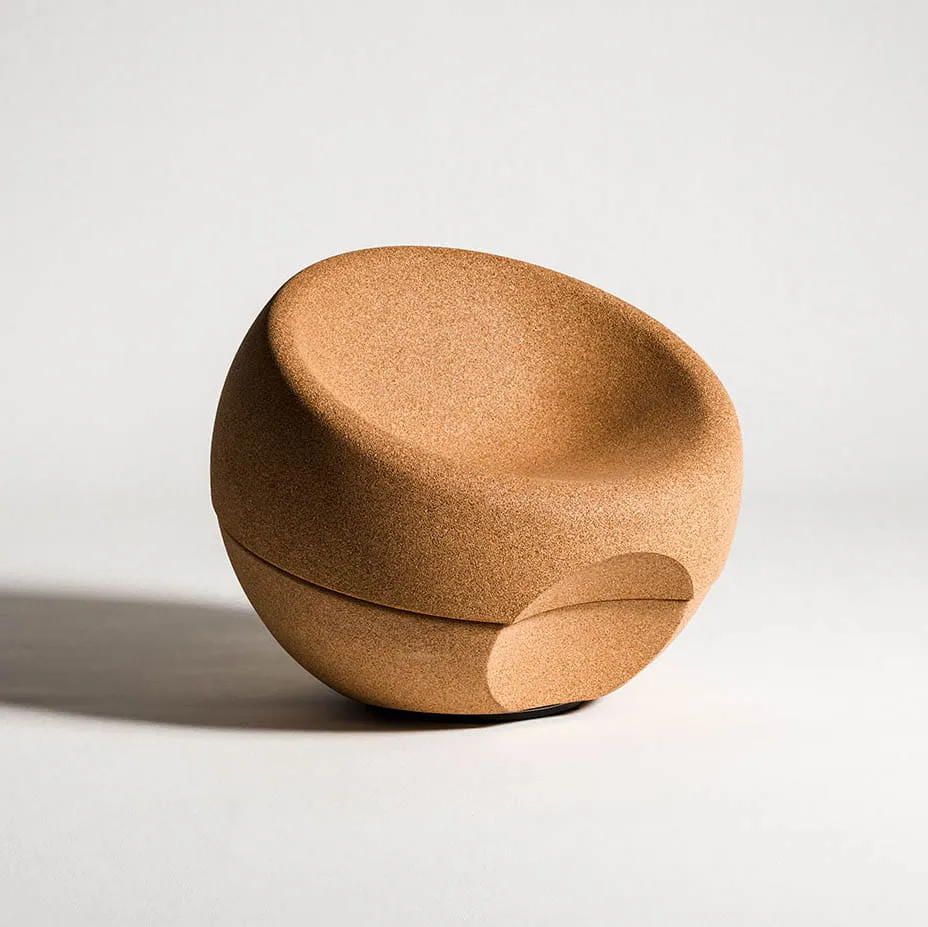
EcoVinePanel is intended for furniture, shopfitting, and sustainable packaging. One planned example is wine boxes made from the residues of the wine itself. We now hope to make production more circular and to develop natural binders that meet today’s demands in design and architecture. We also hope for a composite with a character of its own, in both function and aesthetics.
In 1989, Movecho came into being with furniture in lacquered MDF (then an innovative panel). With EcoVinePanel, the new panels will be the natural and organic continuation of our ever-pioneering tradition.
Project co-funded by the European Union through COMPETE 2030.

28
.
10
.
2026